
In November of 2025, the State of Illinois rolled out the 2024 Illinois Energy Conservation Code (2024 ILECC) to little fanfare. Despite the quiet announcement, the changes in the code will have a significant impact in how we design our projects moving forward. It is our job to stay on top of these changes and thread them into our planning and designs as soon as possible to minimize cost, ambiguities, and challenges. That’s what it means to be not just an architect, but a strategic partner at the table.
The latest Illinois energy code raises the baseline for how buildings are designed and delivered. It targets a 7 to 9% reduction in energy consumption compared to the previous edition and builds on prior versions with higher performance expectations while introducing new requirements and coordination demands that were not previously standard. For developers and building owners, the owners who navigate this most successfully will be the ones who bring the right partners in early and treat energy compliance as a project-shaping conversation, not a final hurdle.

Bryan Zacharias (above) is a project manager at OKW and spearheads our Quality Assurance team. Thanks to his technical acumen and knack for putting things together, he has been instrumental in learning about the 2024 Energy Code, analyzing its impact to our clients, and sharing that information with our staff.
What Changed
OKW Project Manager Bryan Zacharias quickly digested the new code and created a brief guide to the changes, which span several areas of a project:
Stricter building envelope requirements prohibiting thermal bridging at balconies, floors, and parapets, as well as limiting air leakage to be verified through blower door testing
Expanded controls and monitoring for lighting, energy use, and hot water heating
Greater emphasis on system efficiency and automation for unoccupied spaces
New on-site renewable energy requirements for most buildings greater than 5,000 square feet
A credit system that requires projects to go beyond minimum performance requirements
Evolving ventilation strategies, including increased use of dedicated outdoor air systems (DOAS)
Elements that once felt optional or aspirational are now embedded in the standard. The decisions made in early design carry more financial and schedule weight than they used to.
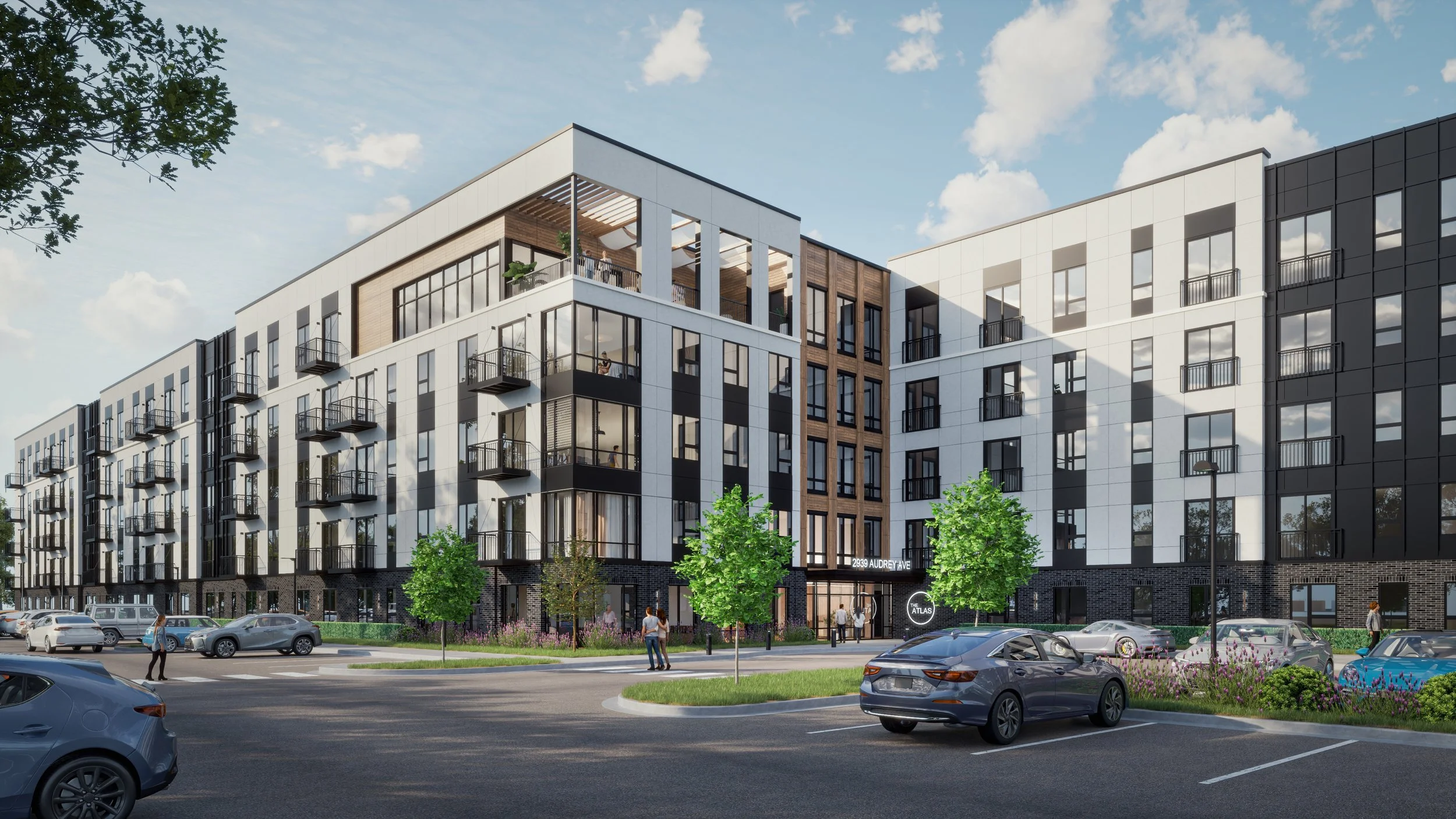
CASE STUDY: The Atlas, an approved multifamily development in Naperville. OKW, our MEP partners, and Clearbrook Energy Solutions reviewed the 2024 Energy Code and proactively updated the project’s specifications to both meet our client’s long-term maintenance goals and meet energy compliance codes. Through envelope upgrades and use of highly efficient systems, this will be one of the most sustainable buildings in Naperville once complete.
The Practical Impact
There are more variables in play, more systems interacting, and fewer straightforward paths to follow. Owners who understand this going in are better positioned to budget realistically and avoid redesign costs that come from resolving these issues too late.
Teams may also need to evaluate alternative compliance paths. ASHRAE 90.1-2022 used with a whole-building energy performance model offers the greatest flexibility in meeting code requirements with the least construction-cost impact. The right path varies by project, and identifying it early is a decision OKW works through with clients as part of the design process.
The Case for Starting Early
Choices related to the building envelope, mechanical systems, energy strategy, and cost are now more tightly linked from the outset. Pushing them later in the process creates problems that are difficult to untangle, and budget surprises in design often trace back to decisions that were left open too long. The value of establishing direction early, with the full project team at the table, is difficult to overstate.
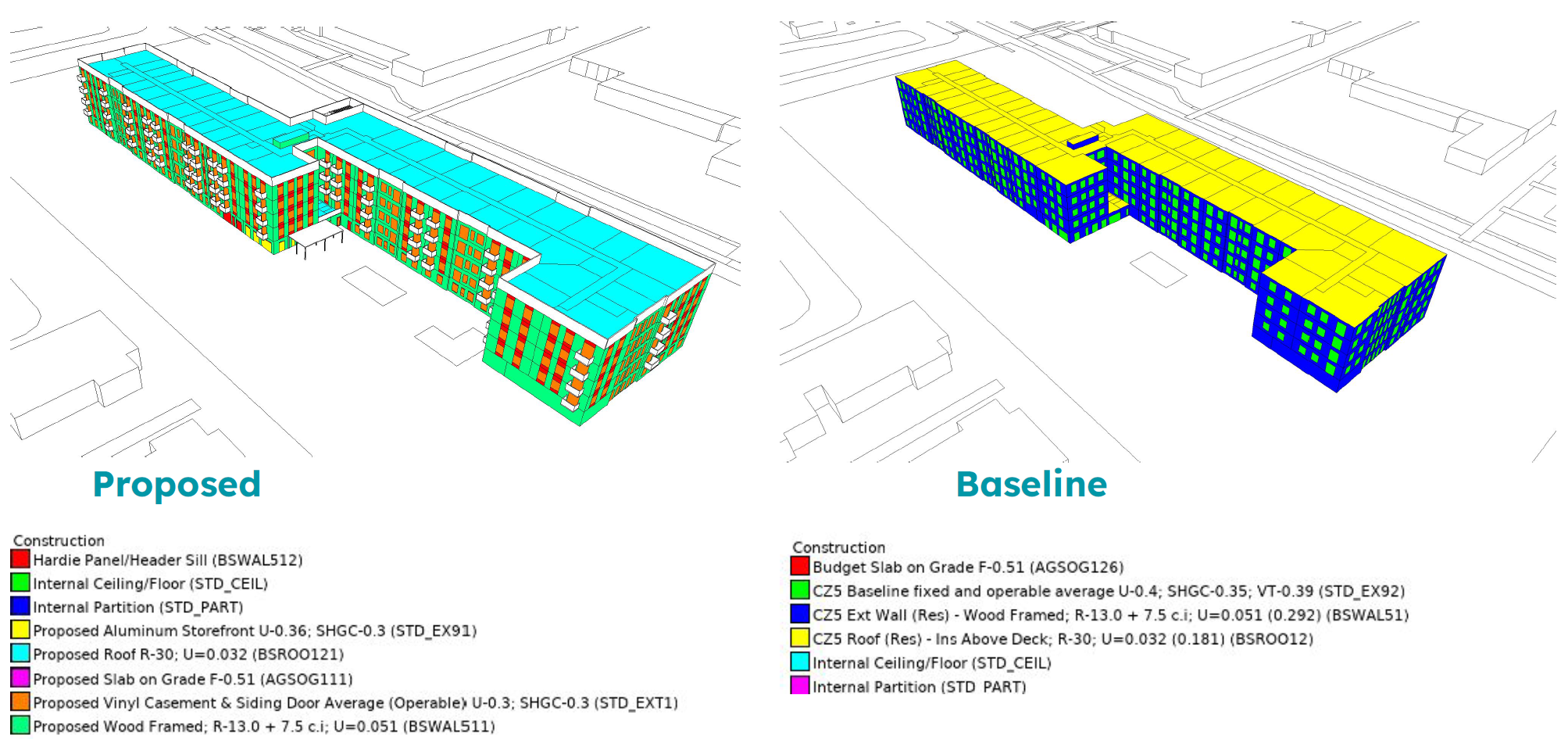
CASE STUDY: The proposed strategies for the Atlas perform above baseline expectations while meeting the owner’s operational criteria. [Image credit: Clearbrook Energy Solutions]
What This Means for Your Project
Choices around building systems, materials, and performance strategies cannot be deferred without consequence. In practice, this shows up across several areas:
More upfront analysis: Early energy modeling and system evaluation are critical to avoiding costly changes later. (OKW can also evaluate possible compliance paths to determine whether energy modeling is necessary).
Earlier decision-making: Decisions that were once addressed later in design now need to happen at the outset.
More visible tradeoffs: Teams will need to balance performance, cost, and constructability in real time.
Greater coordination across partners: Architects, engineers, and contractors must align early to ensure decisions hold together across systems.
Expanded impact on existing buildings: Renovations and additions may trigger new requirements, making early evaluation just as important for existing assets.
Understanding where these pressure points are allows owners to plan for them rather than react to them. A well-prepared project team knows how to work through each of these areas methodically, keeping the project on track without sacrificing performance or adding unnecessary cost.
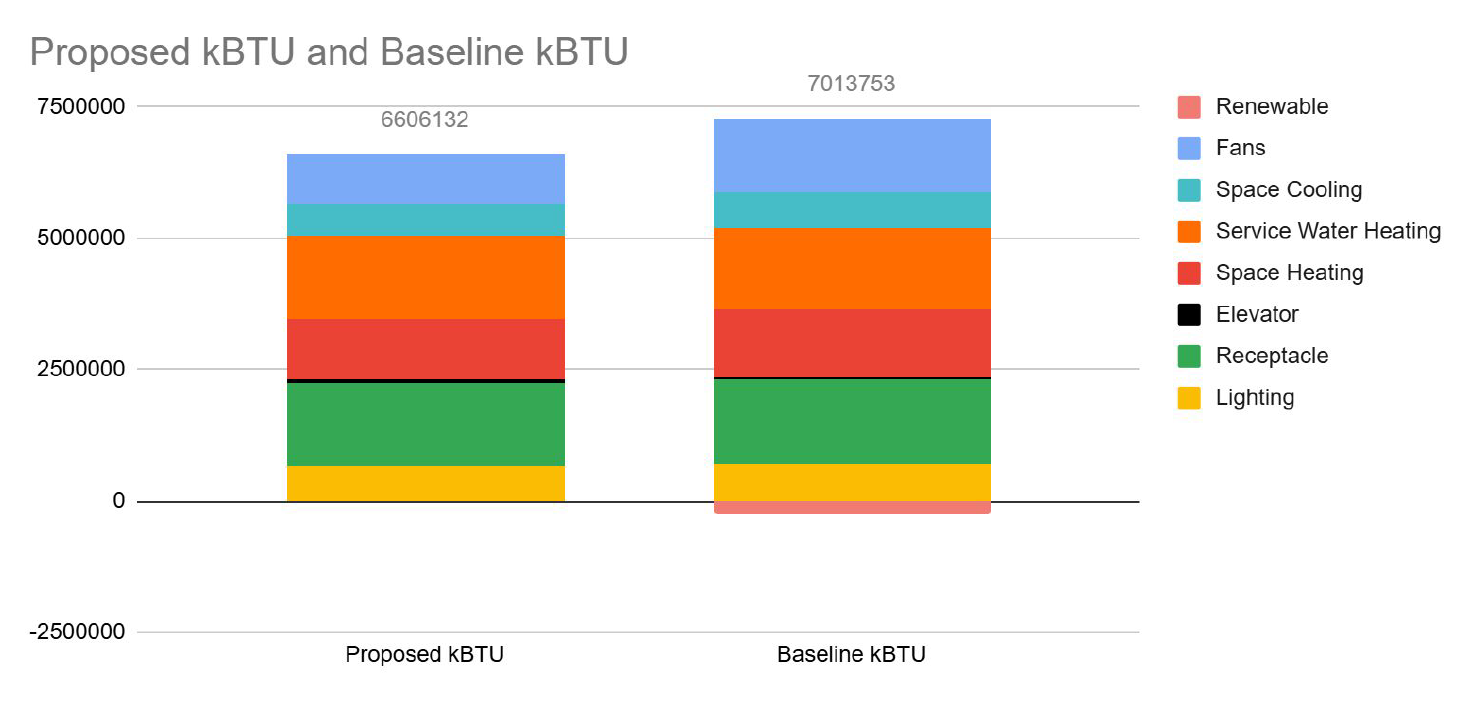
CASE STUDY: The proposed strategies for the Atlas perform above baseline expectations while meeting the owner’s operational criteria. [Image credit: Clearbrook Energy Solutions]
The Role of a Strategic Partner
A good architectural partner works alongside the building owner to understand how the code affects a project's goals and constraints, determine the most appropriate compliance path, and stay engaged as decisions are made and refined. The best outcomes come when that partnership starts before the first drawing is made.
OKW has built its practice around being that kind of partner, one who understands both the technical requirements and the business goals driving every project. If you are planning a project and want to understand how the new code affects your specific situation, that is exactly the kind of conversation we are set up to have.