
by Jon Talty AIA
My daughter just graduated from college last weekend. I find it to be a time of both celebration and reflection. I’ve found myself thinking about what’s ahead for her, what the world looks like now, and how different it feels from when I was stepping into it myself.
When I was coming out of school, I had three objectives: I wanted to be an architect, I wanted to see how people sought out architects, and I wanted to experience the vulnerability of selling something. I took a job at an architectural startup because it felt like an opportunity to learn lots of different things and to learn a lot about myself. There were a couple of founders there, and then there was me. The thinking was simple: if you’re going to do this, you might as well see how the sausage is made.
What I didn’t expect was how much of the job had little to do with architecture, at least not in the way I understood it at the time. It was about how people make decisions, how relationships form, and why one team gets trusted over another. Those parts of the practice stuck with me.
Back then, the work itself was much more centered on the building. You were hired to design it, draw it, and figure it out technically. You produced these big, detailed sets of documents, and that’s where the value lived. There was most often an entitlement process, but it was something you discounted so you could get to the real work ahead.
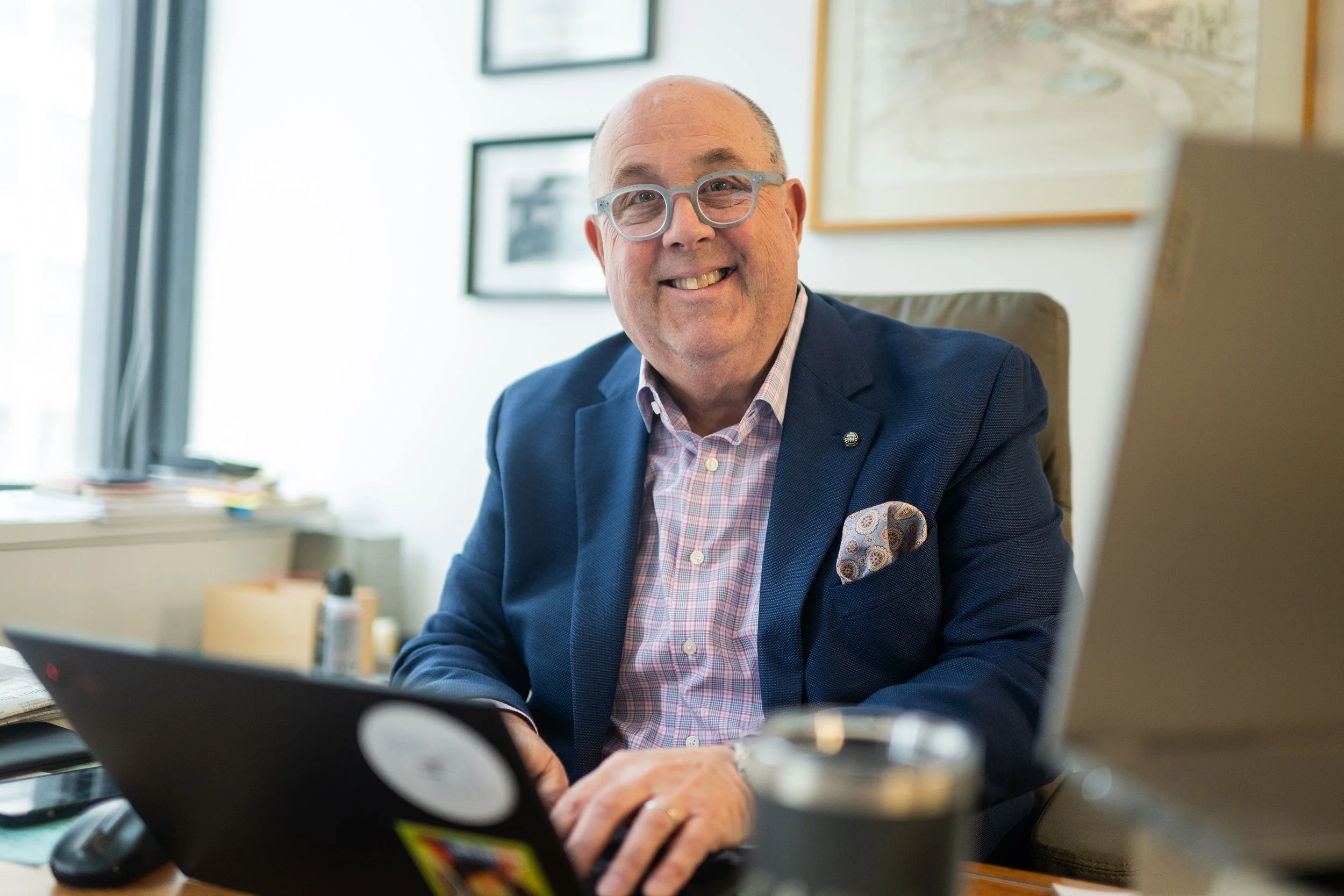
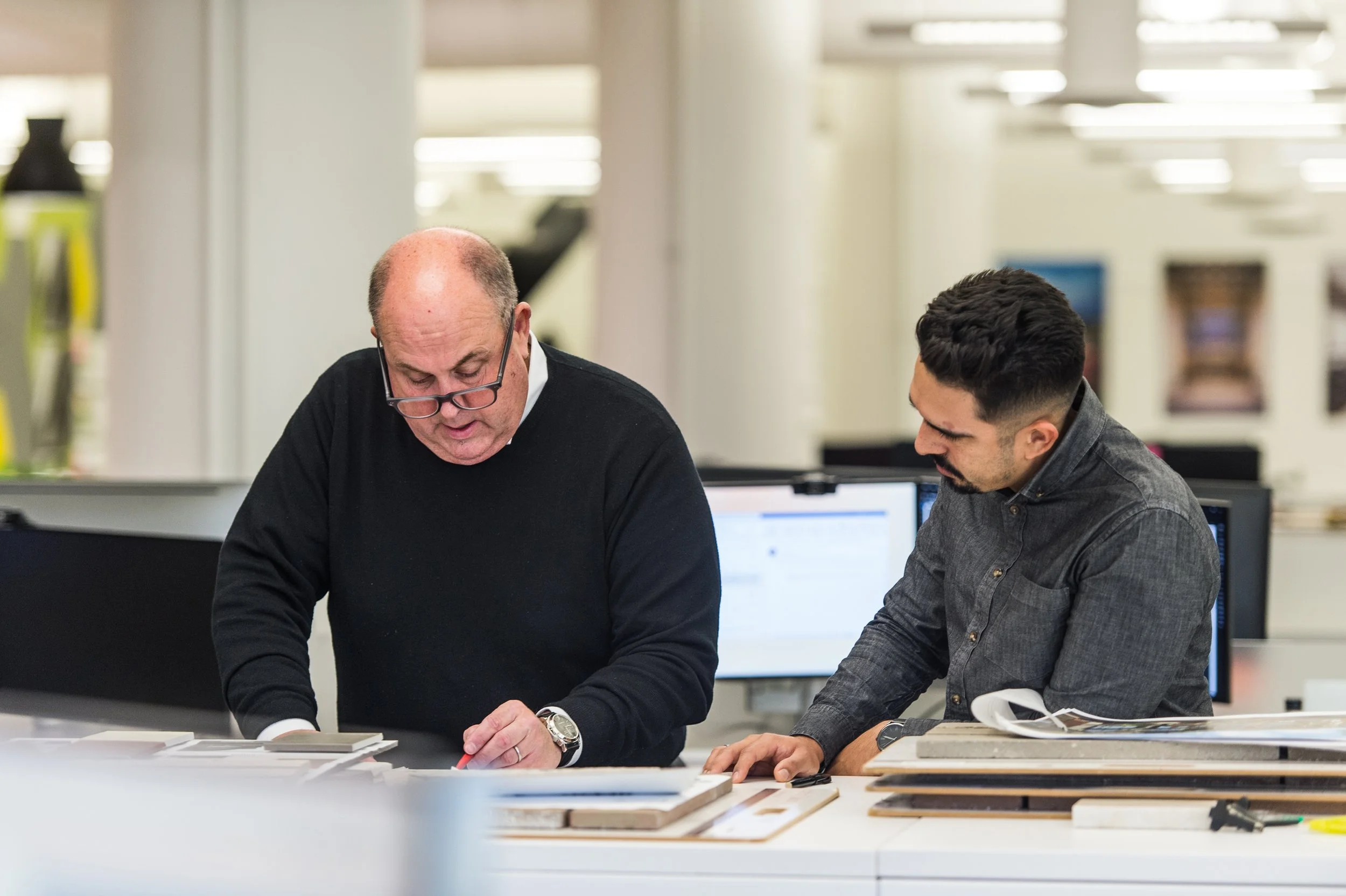
Jon Talty, AIA
Over time, the script has flipped. The drawings still matter, but they’re no longer the center of gravity. Much of the real work happens before you ever get there.
Today, clients are rolling big dice earlier in the game. There’s more risk, more complexity, more scrutiny, more politics, and more people involved in every decision. You can spend months – if not years – working through an idea before it comes to life. There’s also the inherent compression on schedules that keeps us from being able to think through things as much as we would hope. That puts a different kind of weight on the early stages of a project, where the architect now has the opportunity to play a much more meaningful role.
The job is no longer about waiting for a project to show up and then going off to design it. You’re sitting at the table from the beginning. You’re helping a client think through whether the thesis makes sense, how it fits into a market or a community, whether the numbers work, and how to move something forward that doesn’t fully yet exist.
That’s a vastly different responsibility.
It’s also a much better one: If you do it well, you’re not just providing a service. You’re a partner in the outcome. You’re helping shape the direction of something from the start, not just executing it at the end.
For me, that shift became even more clear in the fall of 2008. When the financial crisis hit, everything stopped. We went from nearly ninety people down to a fraction of that in a matter of months. It got real, fast.
What came out of that period was a different kind of relationship with clients. The people who made it through understood risk and relationships in a way they hadn’t before. There was less distance, more honesty, and more shared responsibility. You weren’t operating at arm’s length anymore. You were in it together.
That changed the role for OKW. And once it changed, it hasn’t gone back.
At the same time, what makes someone valuable in this profession has evolved. Early in my career, the strongest people were often the ones who could go deepest technically. They could draw anything, solve anything, detail everything perfectly. That still matters, but it’s no longer enough on its own.
The people who stand out now are the ones who can see the bigger picture and bring others along. They can connect ideas, communicate clearly, and help a group move toward a decision even when the path isn’t obvious. There’s a leadership component to the role that didn’t show up in the same way years ago.
I don’t think that’s unique to architecture. I see it in what my daughter is going through right now. She’s sending out resumes into a system that is massive. At some point, it becomes less about what’s on paper and more about whether she can make a connection that actually goes somewhere. That part feels remarkably familiar.
If I were to give her advice, it wouldn’t be about finding the perfect job right away. It would be to get her world as big as she can, as fast as she can. Meet people. Stay open. Pay attention. The things that end up mattering rarely show up in a straight line.
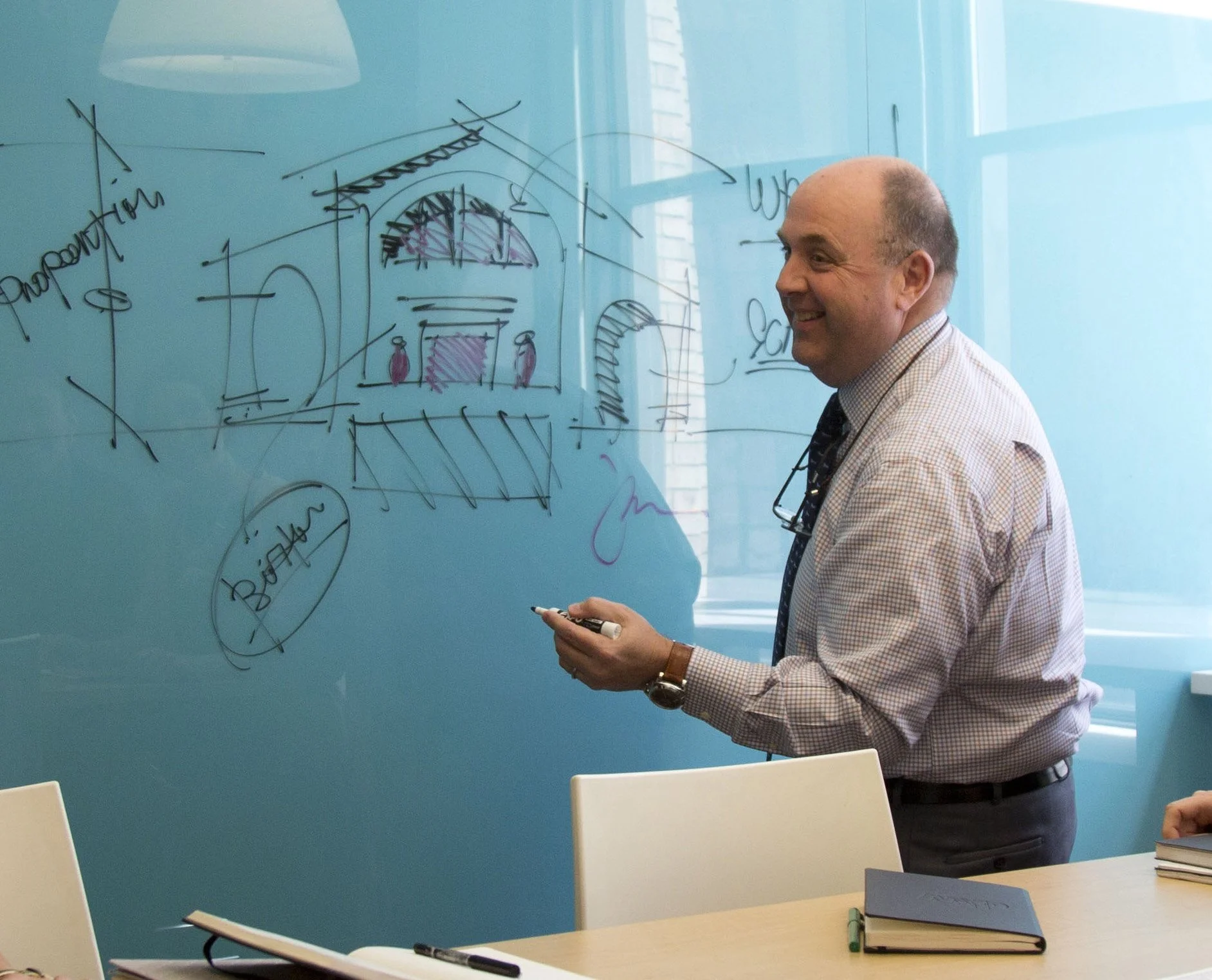
Jon Talty AIA
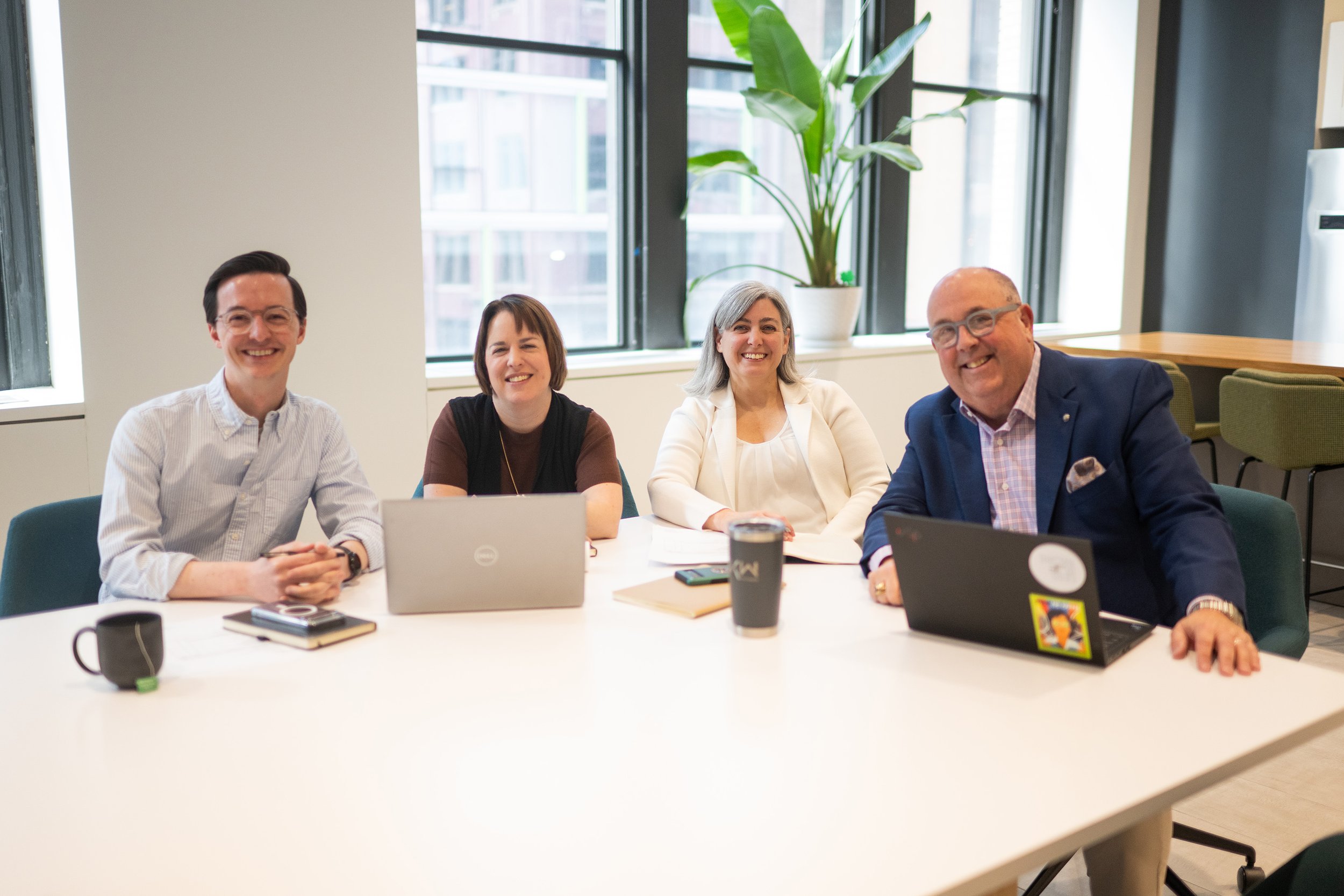
Jon Talty AIA and his fellow partners (left to right) Anders Rustin AIA, Katie Lambert AIA and Cole Gagnon AIA
The industry will keep changing. It always has. There will be new tools, new pressures, and new expectations that continue to shape how work gets done.
But the part that holds is the human side of it. Judgment, relationships, trust, and the ability to help people move through uncertainty together.
That’s where the work has gone. And in my view, that’s a step in the right direction.